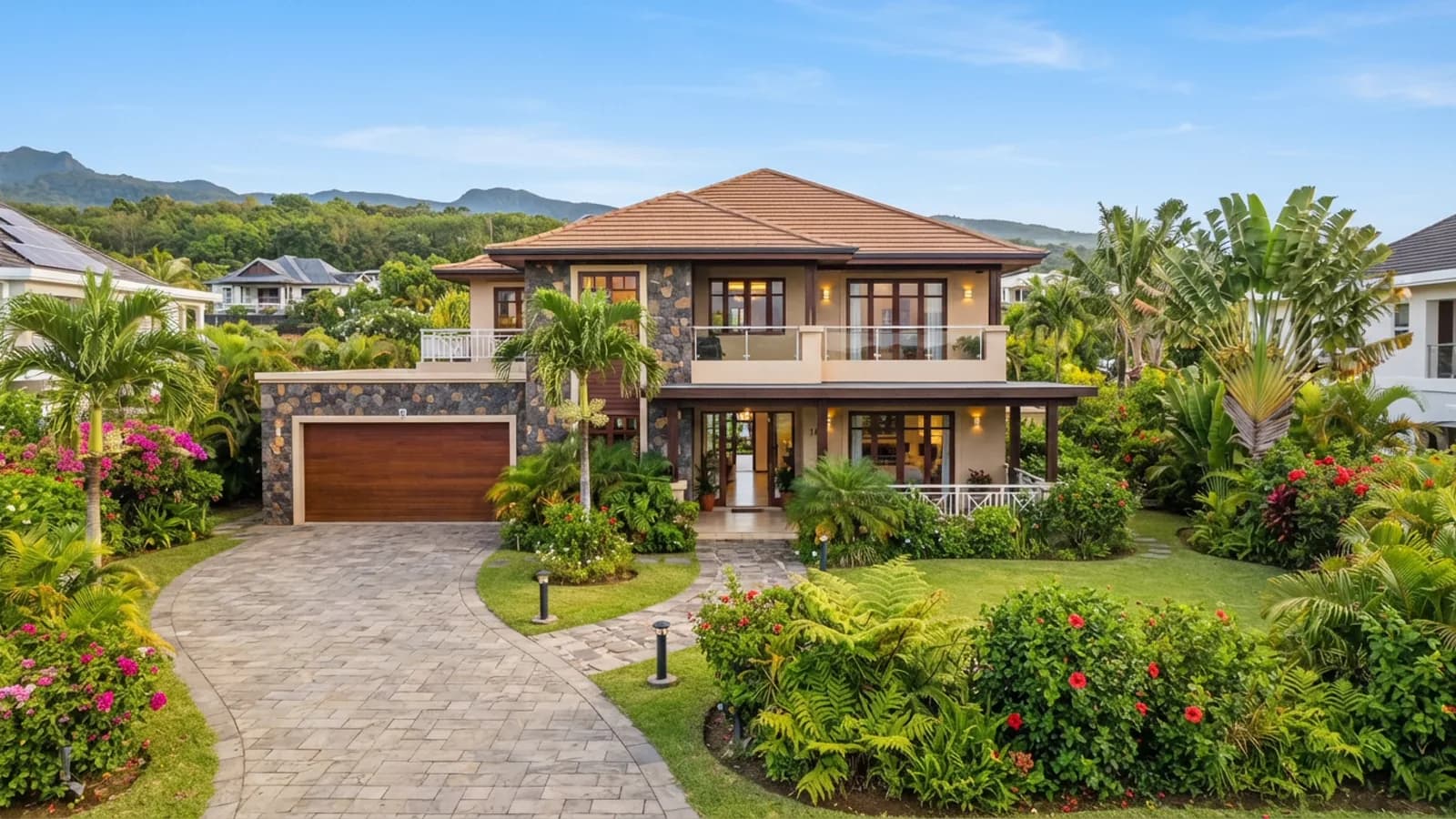
Property in Mauritius for Foreigners and Expats: What to Know First
Mauritius is one of the more accessible property markets in the Indian Ocean for foreign buyers, but the rules around what non-citizens may purchase are specific and they change. This guide explains how to approach it sensibly.
Start by renting
The advice worth repeating: rent for six to twelve months first. Regions in Mauritius differ more than the map suggests, and the decision is much better made from the ground.
What non-citizens can buy
Purchases by non-citizens in Mauritius are generally channelled through specific government-approved schemes rather than the open market. These schemes have historically included property development frameworks aimed at foreign investors, along with rules around apartments in buildings above a certain number of floors.
The eligibility conditions, minimum investment thresholds and the residence rights that may or may not attach to a purchase are set by the authorities and have been revised in recent budgets. Do not rely on a summary - including this one - for the current position. Confirm what applies to your situation with the Economic Development Board and a Mauritian notary before you commit.
Costs beyond the purchase price
- Notary fees for preparing and registering the deed
- Registration duty, at rates set by law that differ for non-citizens
- Any scheme-specific fees or contributions
- Ongoing syndic or estate charges in managed developments
- Currency transfer costs, which are easy to underestimate on a large sum
The registration duty rate applying to non-citizens has been the subject of recent budget changes. Ask your notary to confirm the rate that applies to your specific transaction and its date.
Practical due diligence
- Engage an independent Mauritian notary - not one recommended solely by the seller
- Verify the title, the boundaries and any charges registered against the property
- For off-plan purchases, check the developer’s track record and completion guarantees
- Understand the estate charges before you buy, not after
- Get tax advice in both Mauritius and your home country
Where people from different countries tend to settle
French and Reunionnais residents cluster in the north and west, where French is universal. British, South African and Australian residents are spread across the north, west and the Tamarin area. There is a long-established Indian and Chinese community connection across the island, and growing interest from Europe more broadly. None of this should decide where you live - but it is useful context if community matters to you.
Explore the market
Official sources
Always confirm the current position with the relevant authority — rates, thresholds and eligibility change with each Budget.
List or find a property, direct from the owner
No agency fees. No 2% commission. One transparent listing fee for owners.
Related guides

Expats
Long-Term Rentals in Mauritius: A Guide for Expats

Government & Taxes
Property Investment in Mauritius for Foreign Buyers: An Honest Overview
Government & Taxes
Buying Land in Mauritius: Title, Planning and Practical Checks